


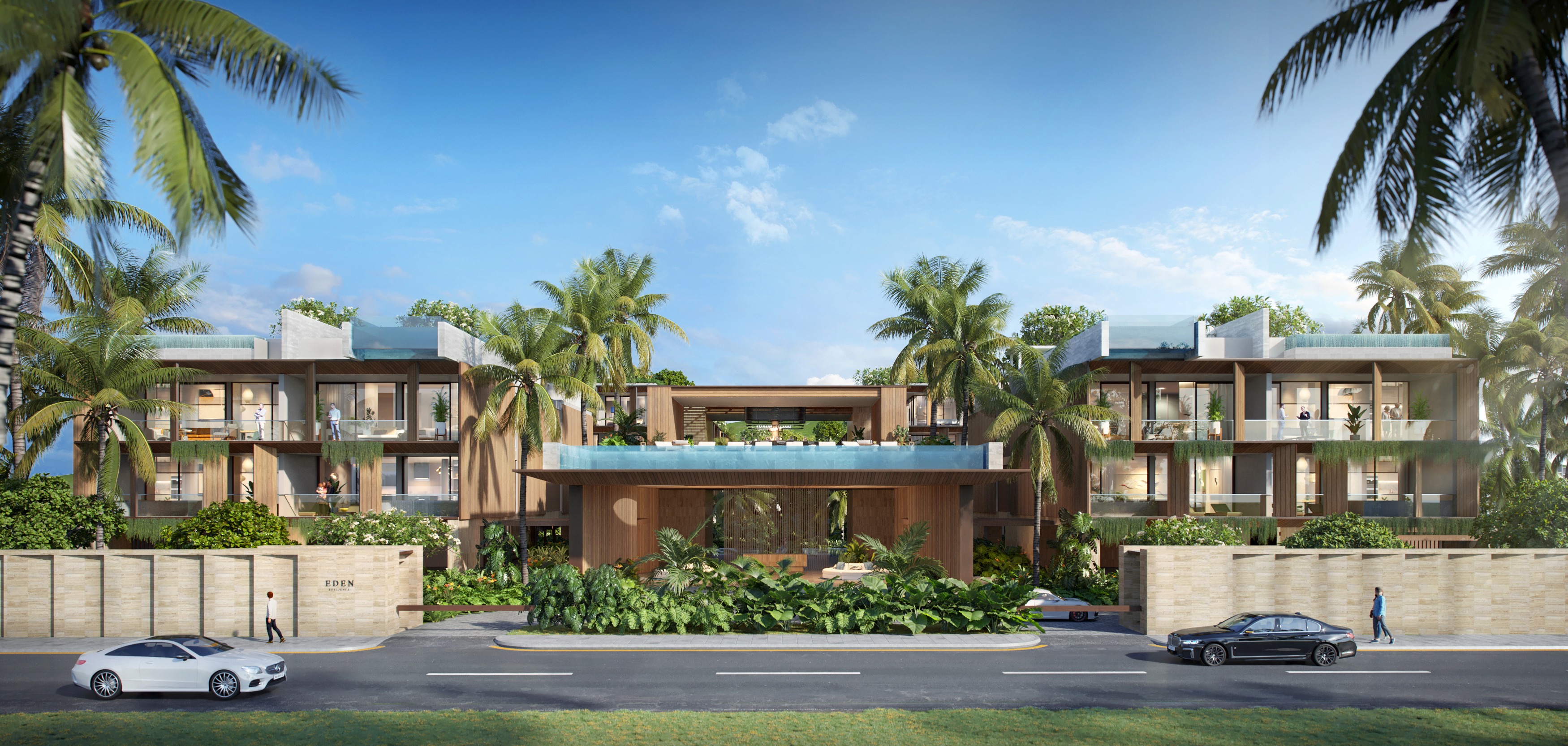
Can Foreigners Buy Property in Thailand?
Yes — foreigners can legally buy property in Thailand, making the country one of Asia’s most attractive destinations for both lifestyle buyers and real estate investors.
However, before making a purchase, it is important to understand how property ownership works in Thailand and which ownership structure best suits your goals.
Foreign buyers typically choose between two main ownership options:
Freehold Ownership
Freehold allows foreigners to own condominium units under Thailand’s foreign ownership quota. This provides full ownership rights and long-term security.
At Gardens of Eden, foreign buyers can also purchase residences under the Freehold structure, subject to quota availability.
Leasehold Ownership
Leasehold provides long-term ownership rights through registered lease agreements and is widely used by foreign buyers across Thailand.
This ownership structure is legal, secure, and commonly used for residential property purchases.
At Gardens of Eden, residences are also available under the Leasehold structure, offering buyers greater flexibility depending on their investment or lifestyle goals.
Both ownership structures are secure and widely used.
The best option depends on your goals — whether you are purchasing for investment, lifestyle, long-term living, or rental income.
Why Phuket Is One of the Best Places to Buy Property in ThailandTo better understand ownership structures, explore our guide: Leasehold vs Freehold in Thailand.
When it comes to buying property in Thailand, Phuket consistently ranks among the top destinations for international buyers.
Why?
Because Phuket offers a rare combination of:
tropical island lifestyle
developed international infrastructure
strong rental demand
long-term capital appreciation potential
Unlike many seasonal destinations, Phuket supports year-round living with:
international schools
private hospitals
premium dining
golf courses
wellness centers
beachside communities
For buyers seeking both lifestyle and investment opportunities, Phuket offers one of Southeast Asia’s strongest real estate markets.
Areas such as Bang Tao and Layan have become especially popular among international buyers due to their combination of premium lifestyle, developed infrastructure, and long-term investment potential.
For many buyers, owning property in Phuket is not simply about purchasing real estate — it is about investing in a better quality of life.
Step-by-Step Guide to Buying Property in ThailandBuying property in Thailand is relatively straightforward when working with a reputable developer.
Below is a practical step-by-step guide for foreign buyers.
Step 1: Define Your Purpose
Before choosing a property, define your objective.
Ask yourself:
Are you buying for investment?
Personal residence?
Holiday home?
Rental income?
Your goals will influence:
location
ownership type
unit size
budget
expected returns
For example, buyers focused on rental performance often prioritize high-demand areas such as Bang Tao Beach, known for strong rental demand and premium lifestyle appeal.
Step 2: Choose the Right Location
Location is one of the most important factors when buying property in Thailand.
In Phuket, buyers often prioritize areas that combine:
accessibility
developed infrastructure
proximity to beaches
lifestyle appeal
investment potential
The west coast of Phuket — especially Bang Tao and Layan — continues to attract buyers seeking premium living and long-term value.
Properties located near lifestyle destinations and quality infrastructure often demonstrate stronger rental performance and resale value.
Step 3: Understand Ownership Structures
Before signing any agreement, it is important to understand the ownership options available to foreigners.
Freehold
Allows full ownership of condominium units under Thailand’s foreign ownership quota.
Leasehold
Provides long-term ownership rights through renewable lease agreements.
Both structures are widely used and depend on the buyer’s goals.
For a more detailed comparison, read our guide: Leasehold vs Freehold in Thailand.
Step 4: Reserve the Property
Once you have selected a property, the next step is signing a reservation agreement.
This usually includes:
reservation deposit
selected unit information
payment schedule
purchase conditions
At this stage, the property is reserved and removed from the market.
Step 5: Review the Sales & Purchase Agreement
Before signing, carefully review:
ownership structure
payment schedule
handover terms
developer obligations
renewal terms (for Leasehold)
Foreign buyers are strongly advised to conduct independent legal due diligence before completing the transaction.
Step 6: Payment Process
Many developments in Thailand — especially off-plan projects — offer structured payment schedules linked to construction milestones.
Buyers should also prepare for additional expenses such as:
transfer fees
sinking fund
maintenance fees
Step 7: Property Registration & Handover
Once all payments are completed, the ownership registration and property handover process begins.
Depending on the ownership structure (Freehold or Leasehold), the process may vary, but generally includes:
signing final documents
registration with the Land Department
payment of registration fees
receiving ownership-related documentation
After completion, buyers receive access to their residence and may use it for personal living, holidays, or rental income.
What Costs Should You Expect When Buying Property in Thailand?In addition to the property price, buyers should consider several additional costs.
These may include:
Registration Fees
One-time fees related to ownership registration.
Sinking Fund
A one-time contribution for the long-term maintenance of shared infrastructure and facilities within the development.
Maintenance Fees
Recurring fees for property management, landscaping, security, pools, and common areas.
Legal Due Diligence
Independent legal review of contracts and transaction documents.
Understanding the full cost structure helps buyers avoid unexpected expenses and better plan their investment.
Common Mistakes Foreign Buyers MakeBuying property abroad requires careful planning.
Below are some of the most common mistakes foreign buyers make when purchasing property in Thailand.
Choosing Based on Price Alone
The cheapest property is not always the best investment.
It is important to consider:
location
project quality
infrastructure
rental potential
Not Understanding Ownership Structures
Some buyers make decisions without fully understanding the difference between Leasehold and Freehold.
Understanding the ownership structure is one of the most important parts of a secure purchase.
Ignoring Developer Reputation
Developer reliability matters — especially when buying off-plan property.
Buyers should evaluate:
completed developments
construction quality
delivery timelines
long-term property management
Buying Without a Clear Goal
Property purchased for investment often differs from property purchased for lifestyle or long-term living.
Your location, ownership type, and investment strategy should align with your personal goals.
Why Buyers Choose Phuket — Especially Bang TaoAmong Phuket’s many residential areas, the west coast continues to attract strong international demand.
Bang Tao has become particularly popular due to its combination of:
beach lifestyle
premium infrastructure
restaurants and beach clubs
wellness-focused living
strong investment appeal
The area attracts both lifestyle buyers and investors seeking long-term value.
Why Buyers Consider Gardens of EdenWhen choosing property in Phuket, buyers increasingly prioritize developments that offer more than just location — they seek complete living environments.
Gardens of Eden, located near Bang Tao Beach, combines several factors that modern buyers value most.
Prime Location Near Bang Tao Beach
The project is located close to one of Phuket’s most desirable residential areas, offering convenient access to beaches, lifestyle destinations, and essential infrastructure.
Wellness & Lifestyle Concept
Gardens of Eden is designed around wellbeing, balance, and quality of life.
Residents benefit from a wellness-oriented environment that supports both physical and mental wellbeing.
Low-Density Living
The low-density concept provides:
greater privacy
more space
a calmer living environment
essential elements of modern luxury living.
Lifestyle Infrastructure
The project offers an integrated living experience with:
wellness facilities
restaurants
swimming pools
landscaped gardens
family-friendly spaces
walking areas and green zones
Flexible Ownership Options
Both Leasehold and Freehold ownership structures are available at Gardens of Eden, allowing buyers to choose the option that best fits their lifestyle and investment goals.
For many buyers today, choosing property is no longer only about real estate — it is about choosing a lifestyle.
FAQ
Can foreigners buy property in Thailand?
Yes. Foreigners can legally purchase property in Thailand through Freehold and Leasehold ownership structures, depending on the property type.
Is it safe to buy property in Thailand?
Yes. When working with a reputable developer and conducting proper legal due diligence, buying property in Thailand is considered a secure process.
How much money do I need to buy property in Phuket?
The budget depends on the location, property type, unit size, and project infrastructure.
What is better: Leasehold or Freehold?
It depends on your goals. Freehold provides full ownership, while Leasehold offers a flexible long-term ownership structure.
Is Phuket property a good investment?
Yes. Phuket remains one of Thailand’s strongest real estate markets due to rental demand and international buyer interest.
How do I choose the right property project?
Key factors include:
location
project concept
developer reputation
investment potential
infrastructure quality
How can I get advice on buying property in Phuket?
Ready to start your journey? Explore our residences or contact our Gardens of Eden team for expert advice.
Interested? Let us know.
Thank you! We will get back to you shortly.