


Luxury real estate in Phuket is evolving. Buyers still value prime location, premium architecture, resort-style amenities, and strong design. But in today’s market, another factor is becoming just as important: how well a project is built for the future.
That is why sustainable luxury real estate in Phuket is no longer just a niche concept. It is becoming part of how investors, second-home buyers, and long-term lifestyle purchasers evaluate quality, resilience, and long-term value. At Gardens of Eden in Bang Tao, this shift is reflected in the project’s masterplan, environmental thinking, wellness concept, and nature-led design approach.
Sustainability in luxury property does not mean sacrificing comfort or exclusivity. In the strongest developments, it means the opposite: better planning, healthier surroundings, more intelligent use of land, stronger integration with nature, and a more future-ready living environment. In a premium market like Phuket, those qualities are increasingly relevant for both personal use and long-term asset appeal.
Key Takeaways
Sustainable luxury real estate in Phuket is becoming a major factor in long-term desirability
Buyers increasingly value wellness, open space, efficient infrastructure, and environmental quality
Gardens of Eden combines beachfront proximity, a wellness-led concept, and a nature-integrated masterplan
The project includes environmental and infrastructure elements such as water-conscious planning, open green space, and lower-friction mobility features
In the premium segment, sustainability can strengthen buyer appeal, rental demand, and long-term positioning
Luxury now means more than aesthetics
For many years, luxury property was defined mostly by address, materials, exclusivity, and visual impact. Those things still matter. But the market has matured. Today’s buyer is often more informed, more internationally exposed, and more selective.
A premium residence is no longer judged only by how it looks on launch day. It is judged by how it functions over time. Buyers now pay more attention to environmental quality, walkability, open space, wellness infrastructure, privacy, and whether a project feels sustainable in the deeper sense of the word: not just eco-branded, but intelligently planned.
This is especially relevant in Phuket, where high-end buyers compare projects not only by beach distance and design, but also by livability, ecosystem quality, and long-term differentiation.
Why Phuket is particularly well suited to this shift
Phuket attracts a wide range of premium buyers, including investors, entrepreneurs, second-home owners, family purchasers, and international lifestyle buyers from Europe, Asia, the Middle East, and Russian-speaking markets. In that environment, projects need a stronger value proposition than generic luxury branding alone.
The developments that stand out are the ones that combine:
a strong location
a clear identity
a high-quality living environment
practical infrastructure
a sense of future relevance
That is where sustainable luxury real estate becomes commercially meaningful. It helps answer a question many buyers now ask consciously or unconsciously: Will this property still feel exceptional years from now?
Gardens of Eden: a nature-integrated luxury development in Bang Tao
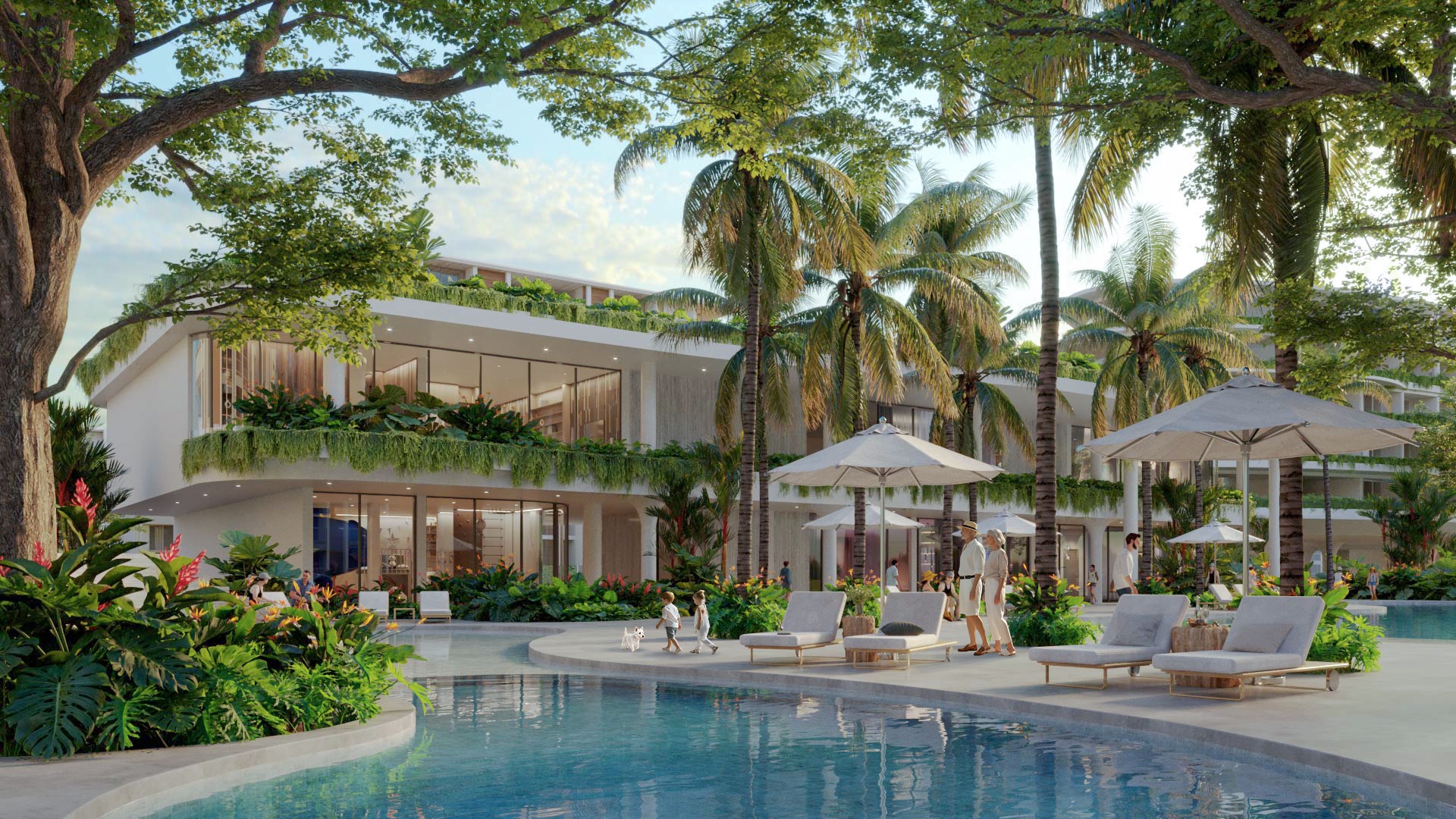
Gardens of Eden is planned as more than a residential project near the beach. It is designed as a nature-integrated, multi-phase residential and hospitality destination in Bang Tao, one of Phuket’s most established lifestyle areas.
The development spans approximately 122,000 square meters, with roughly 70% of the total site dedicated to parks, gardens, lakes, ponds, and open natural space. Residential structures occupy the remaining share. The project is also positioned about 50 meters from Bang Tao Beach, with close access to Laguna Phuket, Boat Avenue, healthcare, schools, and the airport.
This matters because spatial quality is becoming a premium asset in itself. A project with more breathing room, more greenery, more water features, and more usable landscape often feels more desirable than one built around maximum density.
Interested? Let us know.
Thank you! We will get back to you shortly.
Sustainable planning that supports everyday life
One of the reasons sustainable luxury real estate is gaining importance is that buyers increasingly want sustainability they can actually feel.
At Gardens of Eden, the planning materials describe features such as cycling paths, walking areas, jogging routes, underground parking, rainwater harvesting, wastewater recycling, water-saving technologies, solar-powered systems for common areas, battery storage, and EV charging stations. These are practical systems that can support a calmer, healthier, and more future-ready daily environment.
The project also emphasizes sustainable drainage, retention ponds, and environmental planning shaped by local EIA review requirements. That adds another layer of long-term thinking. In a coastal market like Phuket, environmental responsiveness is not just a design statement. It is part of responsible development.
Wellness and sustainability now go hand in hand
One of the most powerful shifts in premium real estate is the overlap between sustainability and wellness. Buyers no longer separate the two as sharply as before. They understand that a healthier environment, better open space, reduced traffic stress, natural light, access to greenery, and strong wellbeing infrastructure all contribute to a more desirable property experience.
Gardens of Eden’s broader concept reflects that shift. The project materials describe a wellness-centered ecosystem that includes a dedicated wellness center, thermal facilities, fitness spaces, recovery-focused areas, an organic café, and health-oriented amenities integrated into the larger community.
For many buyers, this makes the project relevant beyond traditional “luxury condo” logic. It places it within a larger category that is gaining momentum globally: wellness real estate.
Open space, biodiversity, and placemaking are becoming value drivers
Luxury buyers often remember a project not only for its architecture, but for how it feels to move through it. The quality of the landscape, the openness of the plan, the experience of walking through the site, and the relationship between buildings and nature all shape the emotional value of a property.
Gardens of Eden’s planning materials describe:
gardens and green spaces that connect habitats
parks and communal recreation areas
yoga and meditation areas
fitness zones
children’s spaces
car-free zones
directional lighting strategies to reduce light pollution
landscape systems that support biodiversity and visual harmony.
In a premium development, these are not secondary details. They can be part of what gives the project a longer-lasting premium identity.
Why this matters for investors too
Sustainability is often discussed as a values issue, but in premium real estate it can also support a stronger investment narrative.
Buyers and guests increasingly prefer projects that feel complete, healthy, well-managed, and future-ready. A development that combines strong location, wellness, open space, environmental planning, and operational logic may be better positioned for long-term demand than one competing only on visual glamour.
Gardens of Eden’s investment materials describe a professionally managed framework with rental pool and individual rental options, phase-based positioning, owner visibility through a dashboard, and a model built around ADR, occupancy, seasonality, and unit characteristics. While projected returns are clearly described as indicative only, the structure reinforces the idea that the project is being positioned as more than a static property offering.
For investors, that matters. In a competitive Phuket market, stronger planning and stronger identity can contribute to stronger overall positioning.
A stronger definition of long-term luxury
The luxury buyer of today expects more. They want beauty, but also substance. They want exclusivity, but also comfort and balance. They want design, but also resilience and quality of life.
That is why sustainable luxury real estate in Phuket is becoming such an important category. It reflects a broader market shift toward developments that feel better planned, more environmentally intelligent, more wellness-oriented, and more aligned with how premium buyers actually want to live.
At Gardens of Eden, this idea is expressed through a beachfront-adjacent Bang Tao location, a large nature-integrated masterplan, wellness-focused infrastructure, hospitality support, and long-term environmental planning. For buyers thinking beyond the short term, those qualities are becoming increasingly relevant to both personal lifestyle and long-term value.
FAQ
What is sustainable luxury real estate?
Sustainable luxury real estate combines premium design, location, and comfort with environmental responsibility, efficient infrastructure, healthier living environments, and future-ready planning.
Why is sustainable luxury property becoming more important in Phuket?
Because buyers increasingly value wellness, open space, environmental quality, walkability, and long-term livability in addition to traditional luxury features.
Does sustainable architecture increase resale value?
It does not guarantee resale value, but it can strengthen long-term buyer appeal when combined with a prime location, strong design, and a high-quality living environment.
Why is Bang Tao a strong location for luxury property?
Bang Tao combines beach access, proximity to Laguna Phuket, retail, healthcare, schools, and hospitality infrastructure, making it one of Phuket’s strongest lifestyle and investment areas.
What makes Gardens of Eden different from a typical condo development?
Gardens of Eden is planned as a broader ecosystem, with multiple residence phases, large landscaped open areas, wellness infrastructure, hospitality elements, and a nature-led masterplan.
Is Gardens of Eden designed more for investors or for lifestyle buyers?
The project supports both. Its rental and investment materials create a strong investor story, while its wellness, landscape, and family-friendly infrastructure support lifestyle and second-home demand as well.
Does the project include wellness infrastructure?
Yes. The project materials describe a dedicated wellness center with fitness, thermal, recovery, medical support, and related amenities integrated into the development.
Can I request private information about the project?
Yes. The best next step is to book a consultation or request the investor overview privately.